Have you ever watched an electric vehicle (EV) launch off the line? The instant torque is breathtaking, but behind that silent acceleration lies a massive engineering challenge: heat. As EV powertrains push for higher power density and lighter weights, managing thermal limits has become the ultimate bottleneck for drivetrain longevity and performance.
Oil is no longer just a lubricant to keep gears spinning smoothly. Because of its high thermal conductivity and specific heat capacity, oil acts as a critical dielectric coolant sprayed directly onto the hottest parts of the motor. Simulating these intricate, high-speed fluid-thermal interactions has historically been a computationally grueling task. That is why the release of Simcenter STAR-CCM+ 2606 is such a massive deal for simulation engineers .
While electric motors are incredibly efficient—often converting over 94% of electrical energy into mechanical power—the remaining fraction is lost as heat. For a 200kW motor, that is roughly 12kW of waste heat concentrated in a compact housing. If we do not manage that thermal energy, disaster follows. Excessive temperatures degrade copper winding insulation, increase electrical resistance (which triggers even more heat), and permanently reduce the flux density of the rotor’s magnets.
This heat originates from two primary culprits:
To combat this, engineers use stationary and rotating jets to spray dielectric oil directly onto the end windings. However, predicting exactly how that oil coats, clings, and cools has always been incredibly difficult due to the vastly different timescales involved. Oil droplets move in milliseconds, but reaching thermal equilibrium can take minutes.
Smoothed Particle Hydrodynamics (SPH) is a brilliant, meshless approach for capturing violent, splashing fluid flows in complex geometries. But when you wanted to calculate conjugate heat transfer (CHT), the workflow got messy.
Engineers had to rely on computationally expensive hybrid multiphase models or resort to manual data mapping. This meant running a fluid simulation, manually exporting Heat Transfer Coefficients (HTCs), and importing them into a separate thermal solver. If you wanted to run a design study with dozens of iterations, this scripting and manual data transfer became a tedious, error-prone bottleneck that slowed down development cycles.
Siemens has solved this bottleneck in Simcenter STAR-CCM+ 2606 by directly coupling the meshless SPH solver with the Energy Solver for CHT simulation within a single, unified environment .
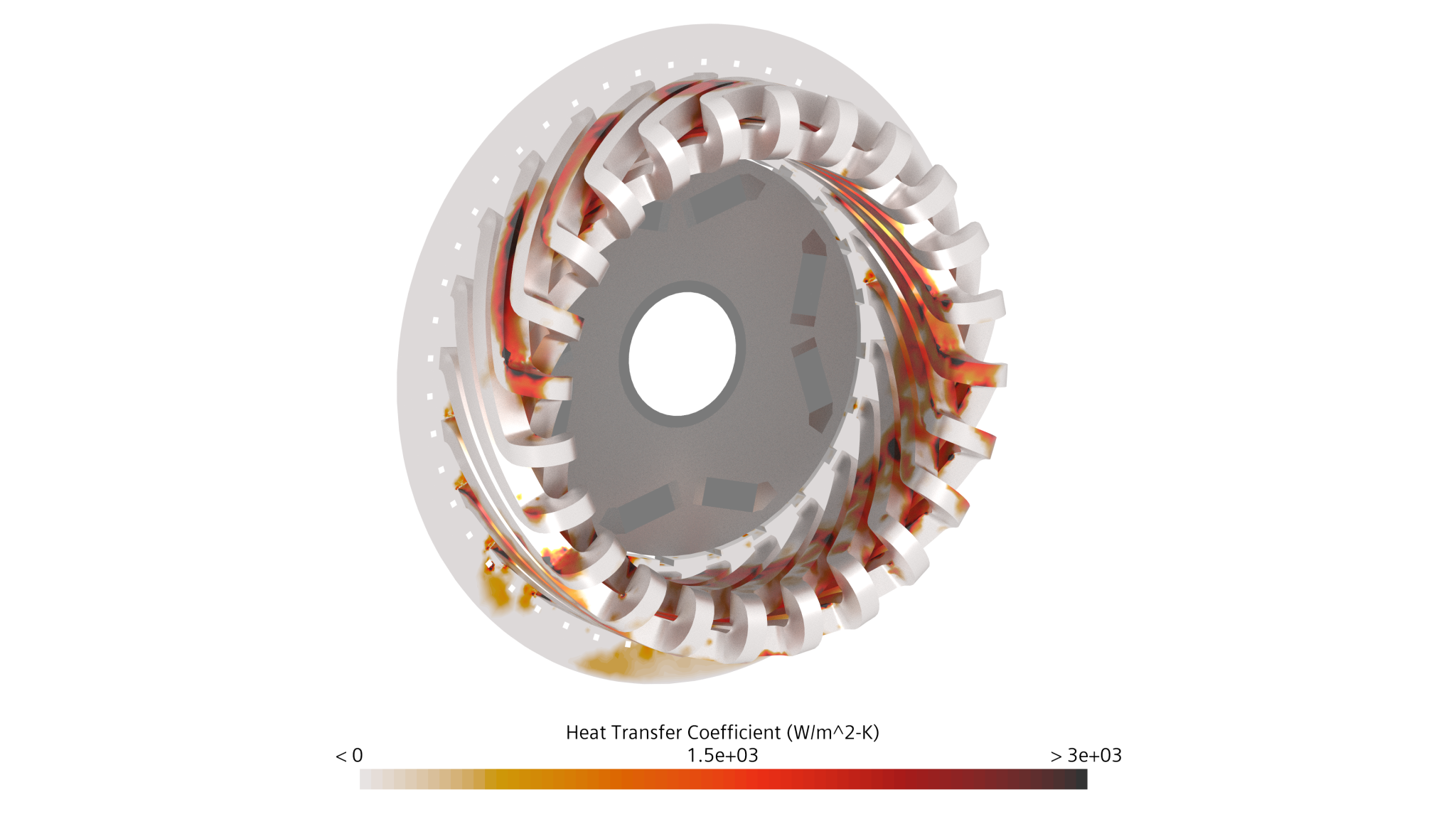
You can now simultaneously model fluid temperature evolution, wall heat transfer, and solid temperature changes without export scripts. Additionally, the new release allows you to map Finite Volume (FV) flow fields directly to SPH simulations as background conditions with full drag coupling . This means you can capture windage and turbulent airflow effects on your oil sprays with incredible confidence.
| Simulation Aspect | Traditional Multiphase / Manual Mapping | Simcenter STAR-CCM+ 2606 SPH-CHT |
| Workflow Setup | Fragmented; requires custom scripts or manual HTC exports. | Unified; fully integrated within a single environment. |
| Timescale Management | Extremely slow or heavily simplified approximations. | Staggered fluid/thermal solvers viaSimulation Operations. |
| Airflow Interaction | Often ignored or simplified due to mesh complexity. | Full drag coupling with background FV flow fields. |
| Geometric Changes | Requires time-consuming remeshing for every design tweak. | Meshless; rapid geometry updates and fast iterations. |
In the real world, thermal and electrical behaviors do not exist in isolation. Iron and Joule losses are highly temperature-dependent; as the motor heats up, its electrical efficiency drops, changing the heat signature.
With Simcenter STAR-CCM+ 2606, you can activate the integrated electromagnetic (EMAG) solver and add it directly to your Simulation Operations loop . As the oil cools the windings, the simulation dynamically updates the temperature-dependent losses. This closed-loop multi-physics simulation provides an unprecedented level of accuracy for transient thermal abuse load cases, such as driving a heavily loaded vehicle up a steep mountain pass.
Because lightweighting demands that we use as little oil as possible, every drop of coolant must work with maximum efficiency. Once you have set up your coupled SPH-thermal model, you can easily parameterize your design.
By changing the number of oil jets, their diameters, angles, and flow rates, you can optimize the wetting behavior of the end windings. Because SPH is meshless, these geometric updates do not require tedious manual mesh regeneration. You can plug your model directly into Simcenter HEEDS to automate design exploration, letting the software find the absolute best jet configuration to maximize heat transfer .
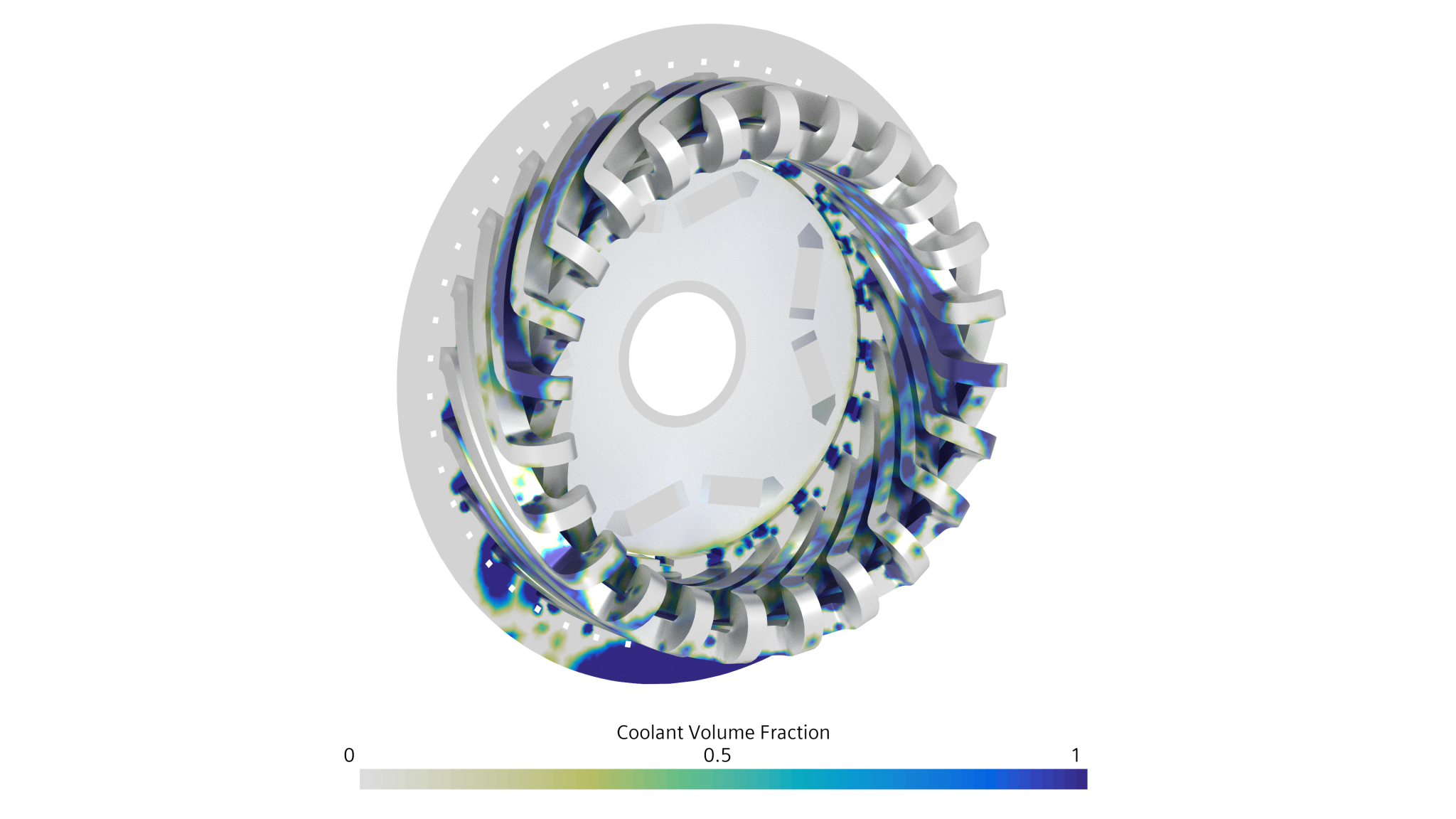
The integration of direct thermal coupling in SPH marks a massive leap forward for EV drivetrain development. It removes the tedious scripting barriers, allowing engineers to focus on what they do best: designing faster, more efficient, and more reliable machines.
How is your team currently tackling the complex multi-physics challenges of eMotor cooling? Are you ready to leave manual HTC mapping behind and embrace a fully coupled, meshless workflow? Let us know your thoughts in the comments below!
This guide is based on insights from the official Siemens Blog .