For decades, the idea of a factory worker looking at a complex piece of machinery, asking a question out loud, and instantly receiving step-by-step repair instructions in their field of view belonged strictly to science fiction. But the industrial landscape is shifting rapidly. The combination of high-speed connectivity, advanced wearables, and generative AI is turning what was once a futuristic vision into standard operating procedure on the shop floor.
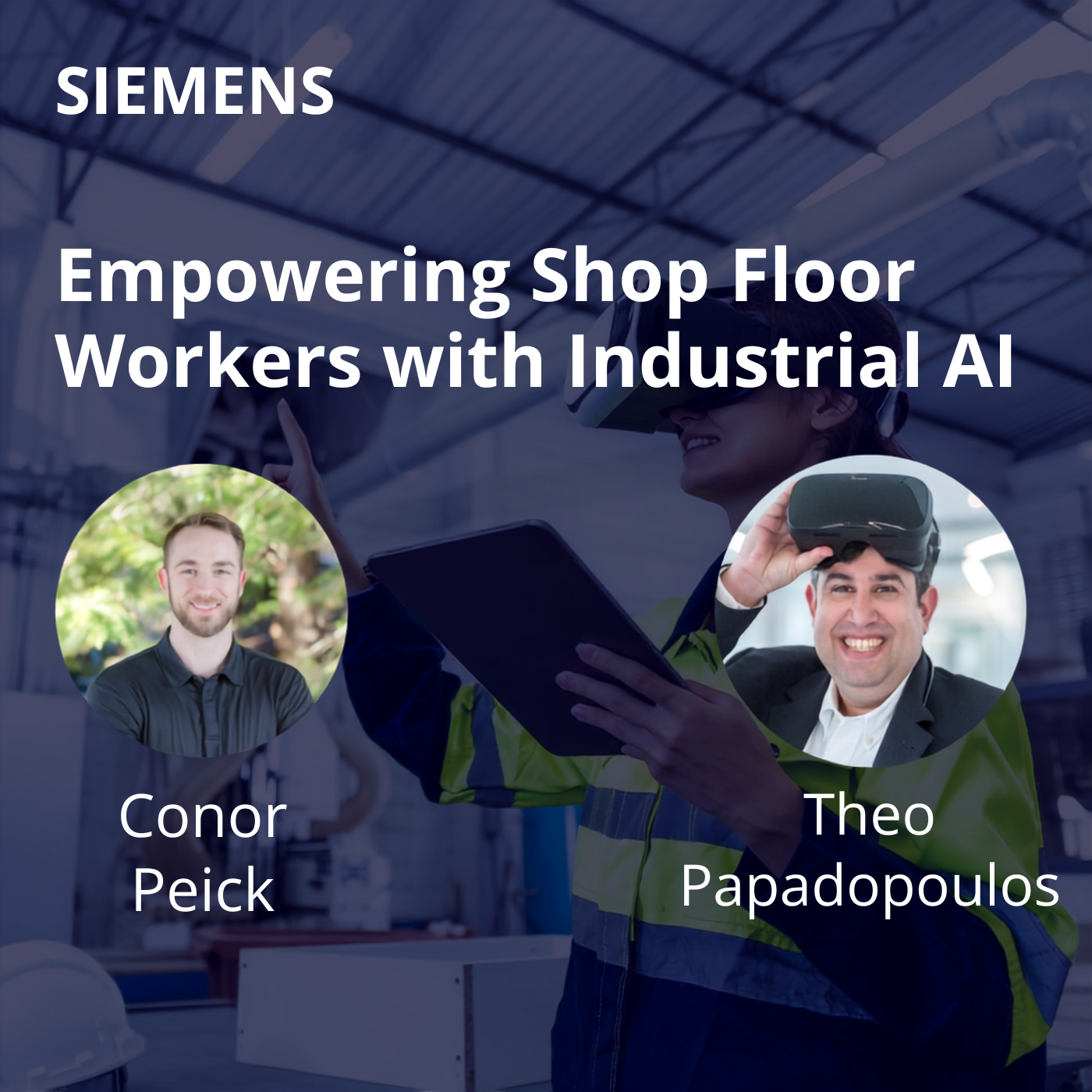
In a recent episode of the Siemens Thought Leadership podcast, Theo Papadopoulos, head of the Metaverse Lab at Siemens, sat down to discuss how the Industrial Metaverse is transitioning from concept to reality This transformation is not happening in a vacuum. By combining the physical shop floor with the digital twin, manufacturers are finding practical, high-value entry points into the next generation of industrial operations.
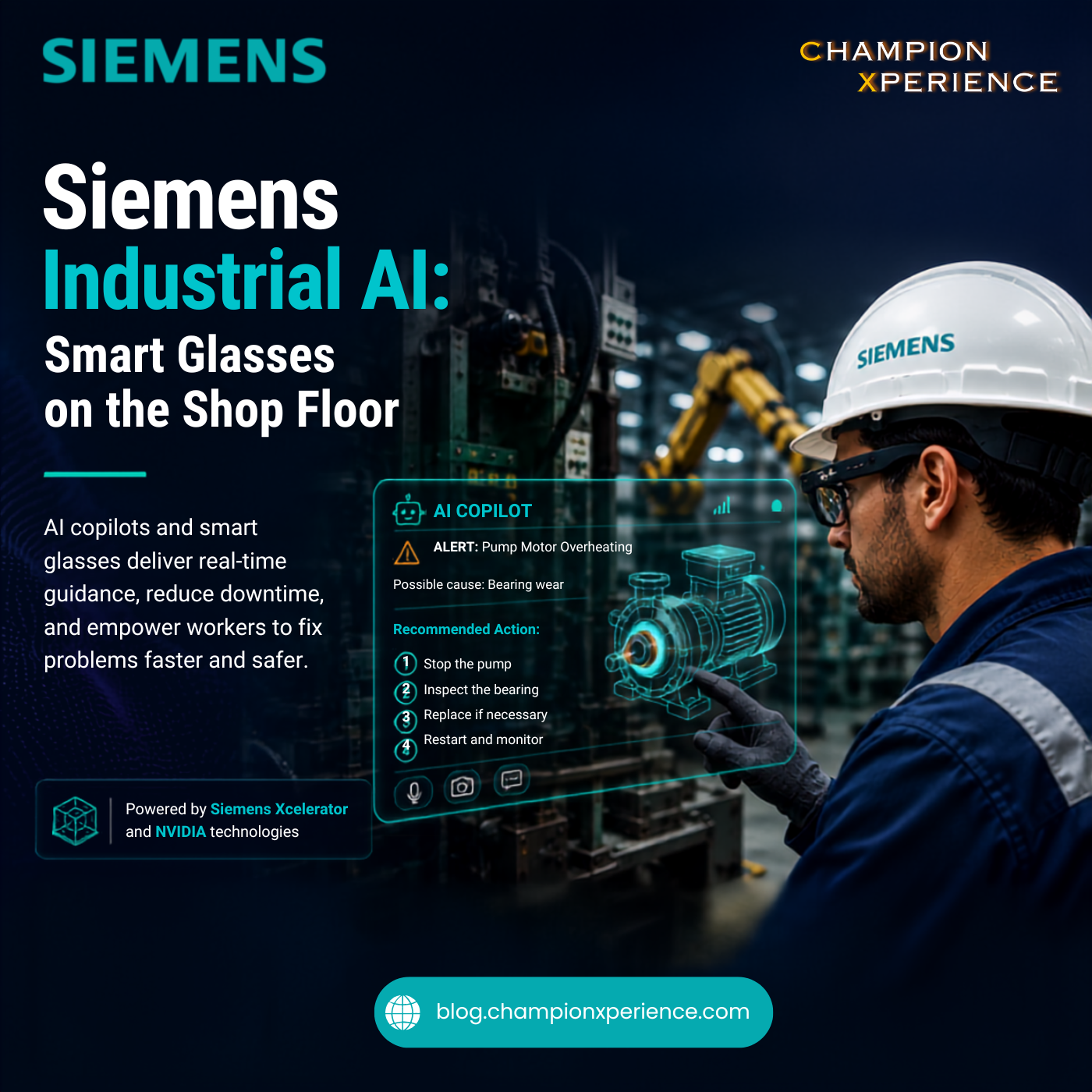
The concept of the Industrial Metaverse—a fully synchronized, immersive digital representation of physical assets—has been discussed for years. However, early adoption was held back by technological bottlenecks. According to Siemens, we have finally reached an inflection point because three core pillars have matured simultaneously:
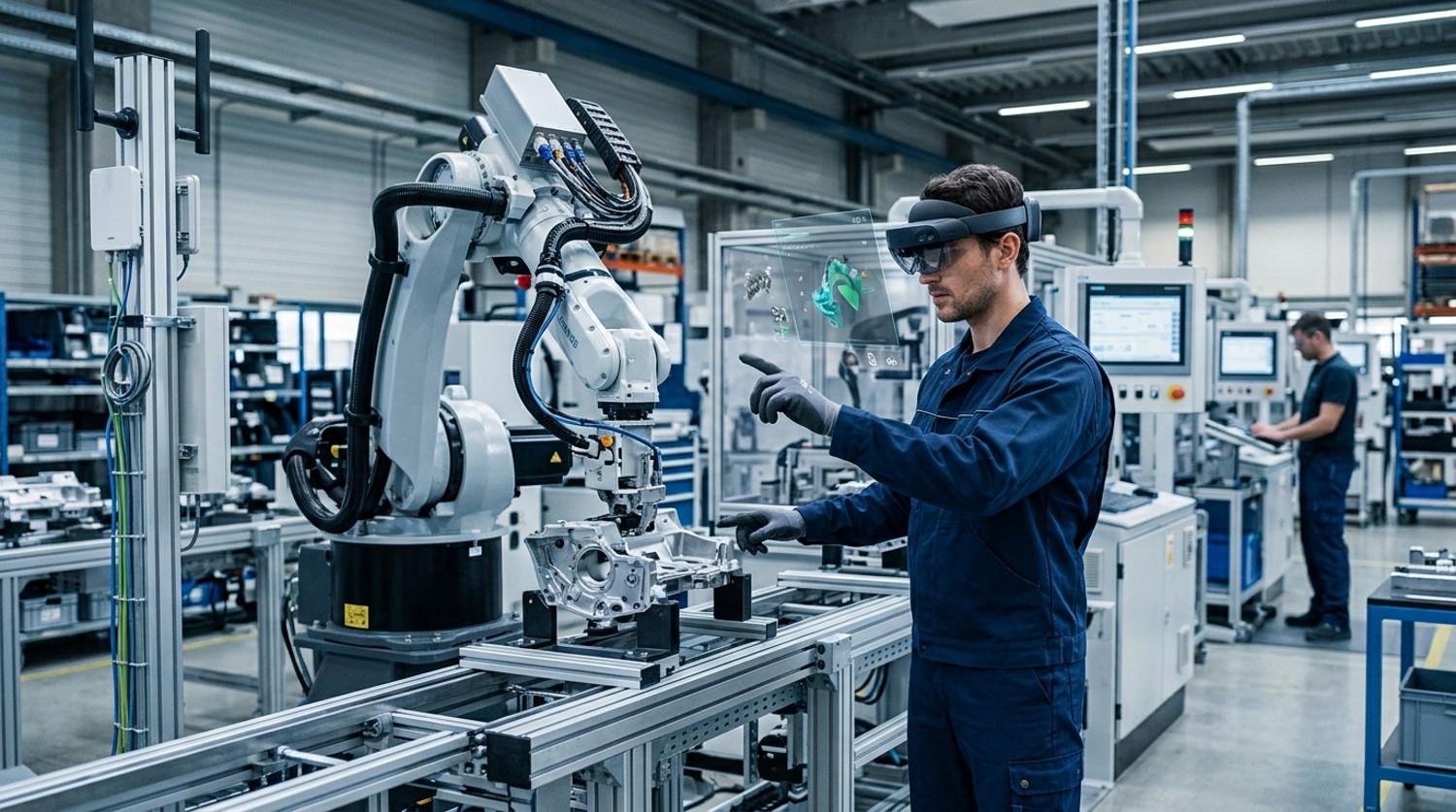
One of the most exciting developments in this space is how hands-free communication is being redefined. At CES 2026, Siemens made waves by announcing a collaboration to bring industrial AI capabilities directly to Meta Ray-Ban smart glasses . This means workers no longer need to carry bulky tablets or flip through paper manuals while trying to service a machine.
By using built-in cameras and microphones, a technician can simply look at an alarming PLC or a misaligned robotic arm and ask, “How do I recalibrate this sensor?” The AI processes the visual data and references the machine’s digital twin. It then delivers precise audio or visual feedback in real time.
This seamless interaction keeps the worker’s hands free. As a result, the operator can focus on the physical task. The approach also reduces mean time to repair (MTTR).
The global manufacturing sector is facing an unprecedented shortage of skilled labor. Experienced technicians are retiring, and onboarding new talent to manage increasingly complex, automated machinery is a monumental challenge. This is where Siemens Industrial Copilots step in to act as on-demand mentors .
Because these copilots are powered by generative AI, they do not just read off a static script. They can tailor their instructions to the specific skill level of the user. A novice technician might receive highly detailed, step-by-step visual guides, while an experienced engineer might only get the specific error codes and telemetry deviations. This personalized assistance democratizes expert knowledge, allowing junior staff to safely and confidently tackle complex maintenance tasks that would otherwise require senior intervention.
An AI copilot is only as smart as the data it can access. Without a robust backend, smart glasses are just a camera on your face. Siemens solves this by anchoring these front-end tools to the Siemens Xcelerator platform and the comprehensive digital twin.
Through an expanded partnership with NVIDIA to build an Industrial AI Operating System, Siemens is integrating real-time operational data with physics-based simulations. The newly launched Digital Twin Composer allows manufacturers to test upgrades virtually and run “what-if” scenarios before making physical changes on the shop floor.
When a worker asks a question through smart glasses, the AI accesses a unified data fabric. It combines IoT telemetry, historical maintenance records, and CAD data. This approach enables the system to deliver answers that are mathematically and physically accurate.
To understand the practical impact of this technology, let us look at how a typical maintenance event unfolds under traditional methods versus the new AI-copilot workflow:
| Operational Phase | Traditional Shop Floor Workflow | AI-Copilot & Smart Glasses Workflow |
| Problem Identification | Operator notices a fault, stops the line, and manually searches for the error code in a physical manual or on a central HMI screen. | Worker looks at the machine; smart glasses automatically overlay the active error code and highlight the failing component. |
| Information Retrieval | Technician must locate the correct PDF manual, find the right chapter, and cross-reference schematics on a handheld tablet. | Technician asks, “What is causing this fault?” The AI copilot queries the digital twin and speaks the diagnosis directly into their ear. |
| Execution & Safety | Technician works one-handed while holding a tablet or must constantly step away from the machine to consult documentation. | Technician works completely hands-free with real-time, step-by-step safety checks and visual calibration overlays. |
| Documentation | Technician manually writes a maintenance log or inputs the resolution steps into an ERP/CMMS system after the job is done. | The AI copilot automatically logs the repair steps taken, updates the digital twin history, and drafts the shift handover report. |
Implementing these immersive technologies is a journey that requires careful planning, strong data governance, and reliable network infrastructure. Despite these requirements, the benefits are immediate. Companies can improve equipment uptime, enhance worker safety, and increase operational efficiency. As a result, the combination of AI and mixed reality is no longer a distant vision. It has become a competitive necessity for modern manufacturers.
How is your organization preparing for the arrival of AI copilots and smart glasses on the production floor? Are you ready to transition from static manuals to interactive, real-time guidance?