Have you ever felt the frustration of a perfect digital design turning into a nightmare once it hits the shop floor? You spend days refining a complex CAD model, only for the CNC programmers to struggle with toolpaths, or worse, for a physical machine collision to halt your entire production line. You are not alone. With manufacturing technology orders skyrocketing by 28.9%, the pressure to produce more without expanding physical floor space or headcount is at an all-time high.
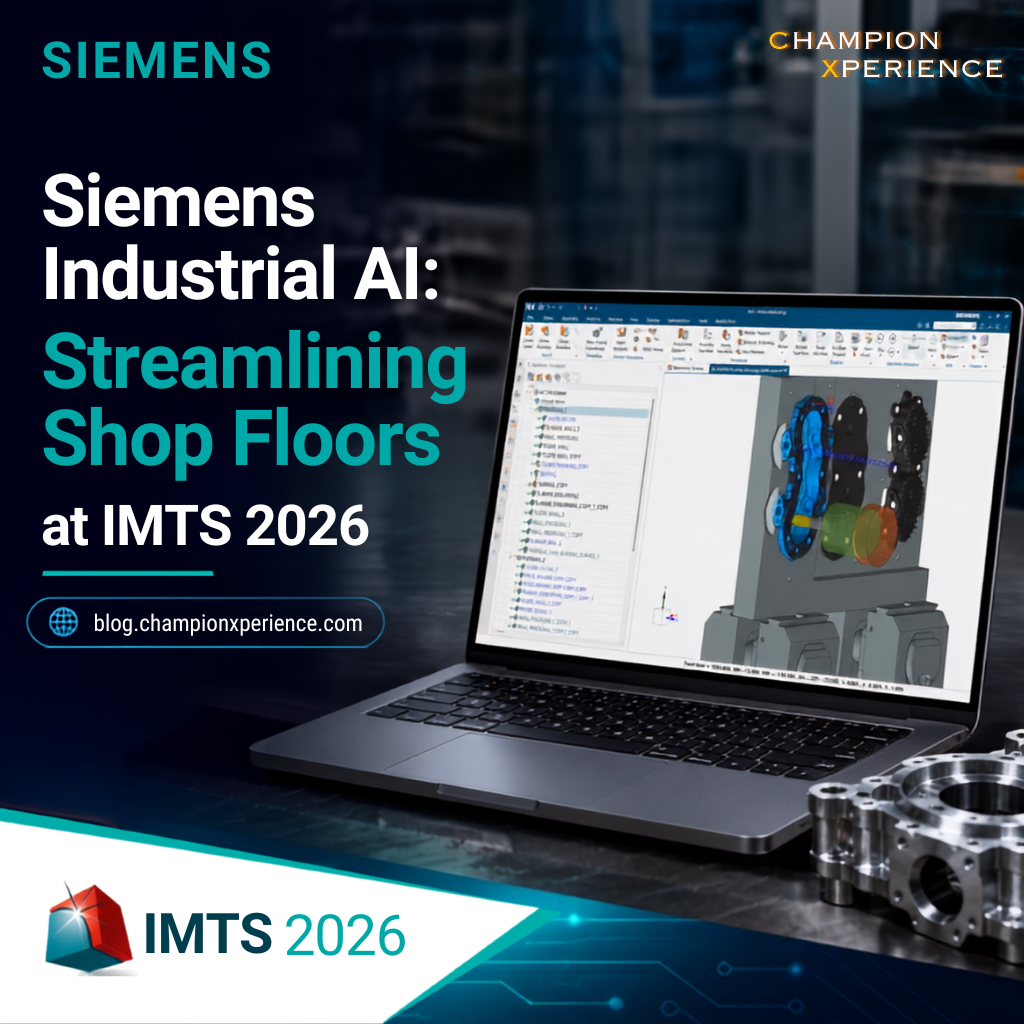
At the upcoming IMTS 2026, scheduled for September 14-19 in Chicago, Siemens is tackling these exact friction points head-on. They are moving away from presenting isolated software tools. Instead, they are demonstrating how a fully connected digital thread, powered by practical Industrial AI, can seamlessly bridge the gap between your engineering office and physical machines.
Let’s dive into what Siemens has in store for the show floor and how these advancements will reshape your daily CAD/CAM workflows.
The manufacturing sector is experiencing a massive wave of digital transformation. According to data from the Association for Manufacturing Technology (AMT), companies are investing heavily in advanced machinery and digital production technology to boost output from their existing workforces. However, the real bottleneck is rarely a lack of data; it is the friction that occurs between disconnected teams, systems, and processes.
When design engineering, CAM programming, and shop floor execution operate in silos, you get delays, costly rework, and missed delivery dates. Siemens aims to solve this by demonstrating a continuous digital thread at IMTS 2026. This approach connects software, automation, and operational intelligence into a single, adaptive ecosystem, allowing data to flow back and forth seamlessly.
Instead of showcasing disconnected software screens, the Siemens booth will feature an interactive, real-world manufacturing journey of a complex hydraulic pump. A hydraulic pump is the perfect test case because its intricate internal cavities, tight tolerances, and precise mating surfaces demand absolute accuracy from design to final cut.
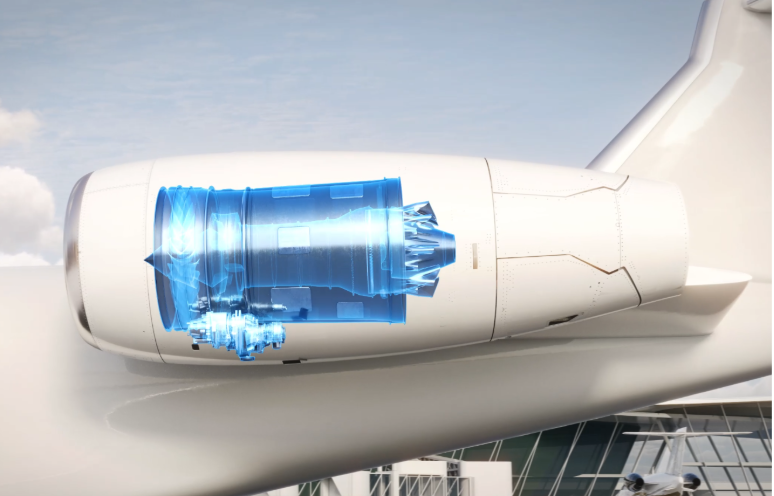
Visitors will follow this part through eight distinct lifecycle stages, seeing exactly how early engineering decisions impact final production outcomes:
If you have ever integrated a new multi-axis CNC machine into your shop, you know the traditional onboarding process is incredibly slow. It typically takes six to ten weeks of physical testing, dry runs, and validation before you can confidently run your first production part. A single programming error during this phase can lead to a catastrophic spindle crash.
Siemens is turning this timeline on its head with their “Meet @ the Machine” experience. By utilizing NX X Manufacturing Virtual Machine, programmers can validate the entire machining process in a risk-free virtual environment. This digital twin approach, paired with the digital-native SINUMERIK ONE CNC controller, slashes machine onboarding and process validation times down to just two weeks.
We have all heard the hype surrounding artificial intelligence, but as CAD/CAM professionals, we need practical tools, not generic chatbots. This year’s IMTS is emphasizing this shift with a dedicated Industrial AI Arena and Industrial AI Conference, highlighting tools that deliver measurable impact on the factory floor.
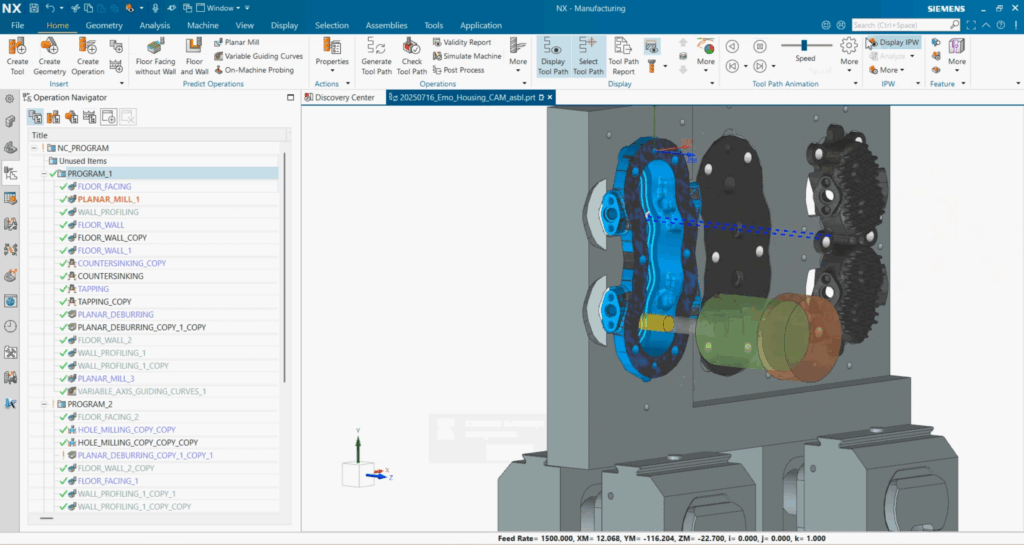
Siemens is leading this charge by embedding intelligence directly into the CAM environment. With Make Machining Suggestion in NX CAM, the software analyzes your 3D CAD geometry. It then recommends the most efficient machining strategies based on your shop’s historical data. Combined with the new Machining Copilot, CNC programmers can automate repetitive tasks. This reduces manual work and lets them focus on process optimization and more complex machining challenges.
To understand the impact of these digital twin and AI technologies, let’s compare the traditional physical onboarding workflow with the virtualized digital thread approach:
| Workflow Phase | Traditional Physical Approach | Siemens Virtual Twin Approach |
| Onboarding Timeline | 6 to 10 weeks of physical setup and testing | Reduced to just 2 weeks via virtual validation |
| Process Validation | Risky dry runs on physical machines; potential for crashes | 100% safe, high-fidelity simulation inNX X Manufacturing Virtual Machine |
| CAM Programming | Manual toolpath creation and repetitive geometry selection | AI-assisted programming withMake Machining Suggestion |
| Shop Floor Feedback | Siloed data; operators manually report errors to engineering | Continuous feedback loop connecting physical machines to CAD/CAM software |
Manufacturers leading the industry are doing more than buying faster machines. They are building connected environments where engineering, automation, and operations share the same digital foundation. Ready to transform your shop floor? Visit the official Siemens NX Manufacturing Blog to learn more, and plan a stop at the Siemens booth in Chicago this September.
Don’t miss Siemens at IMTS 2026!
Visit the Siemens booth to explore the latest in digital manufacturing, AI, automation, and the digital thread. Discover real-world technologies that help manufacturers improve efficiency, connectivity, and innovation. Make Siemens a must-visit destination at IMTS 2026 and see the future of manufacturing in action.
This guide is based on insights from the official Siemens Blog .