Al CES 2026, Lenovo è andata oltre la presentazione di nuovi dispositivi, presentando una visione chiara di come l'intelligenza artificiale potrebbe rimodellare il nostro rapporto con la tecnologia. Attraverso una serie di audaci proof of concept, l'azienda ha illustrato come potrebbe essere il personal computing in un mondo incentrato sull'intelligenza artificiale, dove produttività, adattabilità e benessere sono strettamente correlati.

Invece di concentrarsi sui prodotti finiti, questi concetti fungono da dichiarazioni tecnologiche. Esplorano come fattori di forma, interfacce e intelligenza artificiale potrebbero evolversi insieme per consentire flussi di lavoro più flessibili e intel.

Perché i display arrotolabili hanno più senso
Il concept più intrigante è stato probabilmente il ThinkPad Rollable XD Concept. Lenovo reinventa il concetto di fattore di forma con l'aggiunta di un display arrotolabile che si espande verticalmente, trasformando quello che prima era un dispositivo compatto da 13,3 pollici in uno spazio di lavoro di quasi 16 pollici, senza ingombri maggiori.
 Concetto di Legion Pro Rollable
Questo risolve direttamente una delle sfide più comuni per un professionista in mobilità: lo spazio sullo schermo. Una maggiore area di visualizzazione consente un multitasking, una collaborazione e una fruizione dei contenuti migliori, il tutto mantenendo la portabilità. Gesti touch, controllo vocale e funzionalità di intelligenza artificiale come la traduzione in tempo reale e l'assistenza contestuale indicano un futuro in cui i laptop si adattano dinamicamente a come e dove vengono utilizzati.
Il vetro protettivo trasparente rivela anche la complessità meccanica del display arrotolabile, rafforzando l'attenzione di lunga data di Lenovosull'innovazione ingegneristica rispetto alle modifiche incrementali del design.
Con il Progetto Kubit, Lenovo ha esplorato il concetto di Personal AI Hub, una soluzione di intelligenza artificiale edge-based progettata per supportare i dispositivi personali. Elaborando i dati più vicino all'utente, l'hub riduce la dipendenza dal cloud computing, migliorando al contempo le prestazioni e il controllo dei dati.
Il sistema è progettato per funzionare su PC, smartphone, dispositivi indossabili e dispositivi per la smart home, segnando un passaggio verso un'intelligenza artificiale realmente personalizzata. Per artisti, ingegneri e utenti esperti, questo approccio indica un futuro con analisi più approfondite, automazione più intelligente ed esperienze di intelligenza artificiale più adattive.
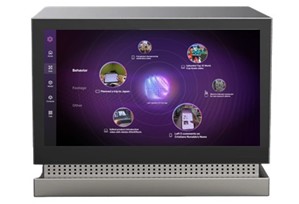 Concetto di hub AI personale Lenovo
Il concetto di occhiali AI di Lenovocomprende l'importanza di un'assistenza fluida e senza sovraccarichi di informazioni. Il dispositivo leggero si connette in modalità wireless a uno smartphone o a un computer e consente all'utente di effettuare chiamate senza usare le mani.
Funzionalità come la traduzione in tempo reale, il riconoscimento intelligente delle immagini e i riepiloghi per le notifiche cross-device suggeriscono fortemente un ruolo discreto e in secondo piano per l'IA. L'obiettivo non è replicare lo schermo, ma semplificare le interazioni e tenere le persone informate senza dover passare da un dispositivo all'altro.
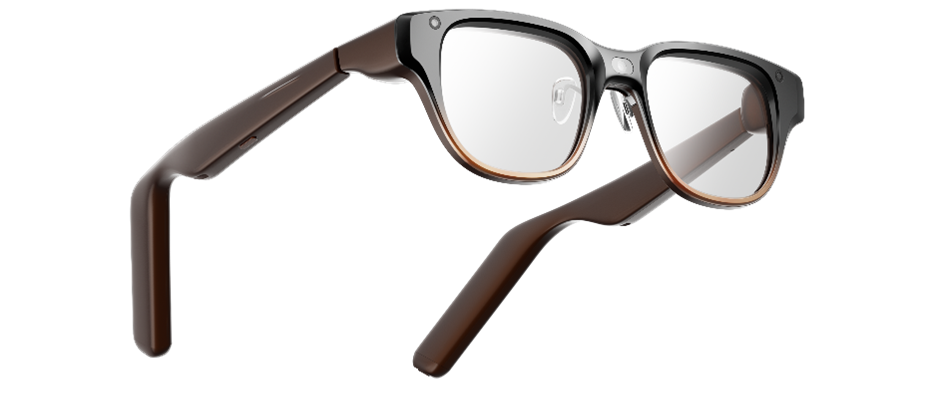 Concetto di occhiali Lenovo AI
Lenovo ha presentato una nuova visione per il display, denominata Smart Sense Display Concept. Più intelligente di un normale monitor per computer, funge da hub in grado di connettersi a diversi dispositivi in modalità wireless e di interagire con l'utente tramite tocco, voce e linguaggio.
Oltre alla produttività, Lenovo si è concentrata anche sulla personalizzazione e sul benessere. Le sue soluzioni di visualizzazione basate sull'intelligenza artificiale regolano luminosità, temperatura del colore ed ergonomia in base all'utente, alla postura, all'ora del giorno e ad altri fattori contestuali.
Questo è un indicatore del fatto che le persone riconoscono che prestazioni e salute coesistono.
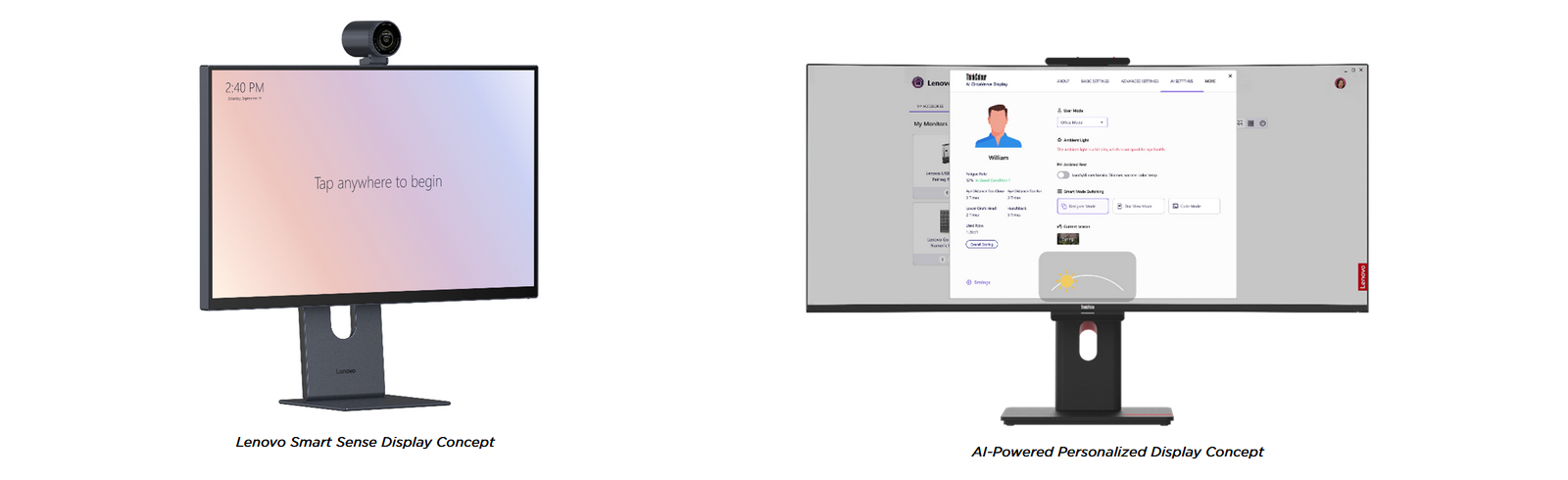
Per completare il suo ecosistema, Lenovo ha introdotto concetti di accessori intelligenti, tra cui una tastiera con attuazione regolabile per diversi casi d'uso, dal lavoro di precisione al gaming, e una tastiera e un mouse auto-ricaricabili alimentati dalla luce ambientale interna.
Queste innovazioni puntano alla sostenibilità, alla personalizzazione e alla riduzione al minimo dei punti critici associati al lavoro.
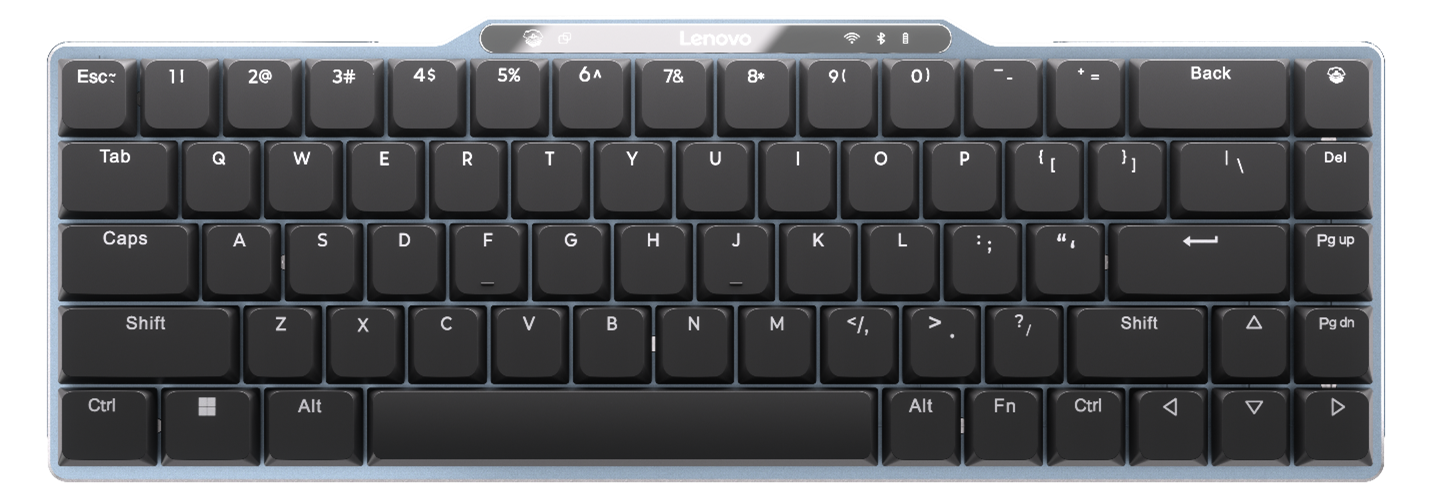 Concetto di tastiera adattabile Lenovo
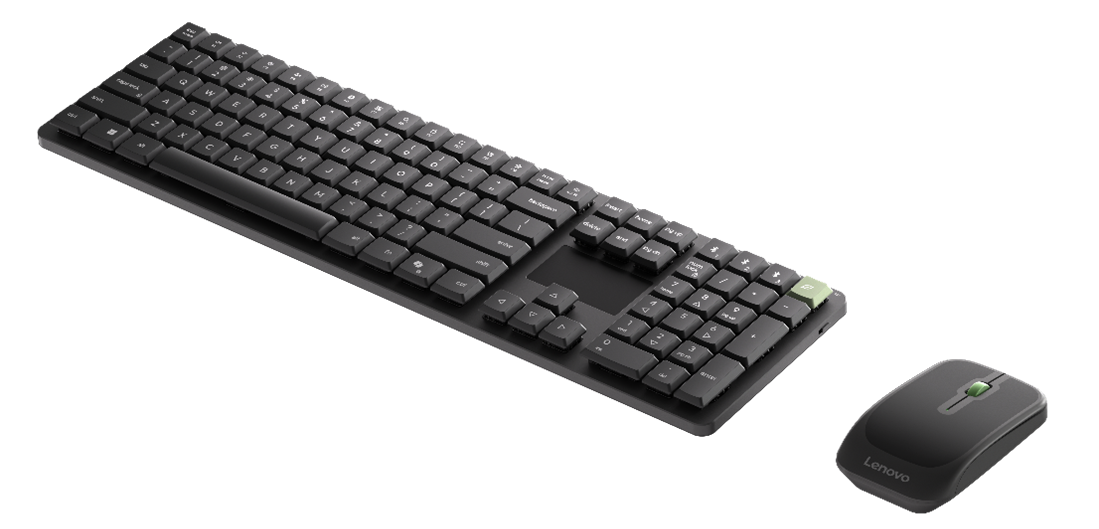 Concetto di kit di ricarica automatica Lenovo
Nel complesso, i concept presentati da Lenovoal CES 2026 raccontano una storia chiara: l'intelligenza artificiale non è più solo una funzionalità. Sta diventando la base dei dispositivi del futuro. Hardware flessibile, interfacce adattive e intelpersonalizzata stanno plasmando una tecnologia che si adatta agli utenti, non il contrario.
Questi concetti puntano a strumenti progettati per flussi di lavoro naturali, collaborazioni più intelligenti ed esperienze digitali più sane.
Basato sugli annunci di Lenovoal CES 2026.